Building an EdTech Platform from Zero
Wayble
Overview
Wayble was born from a simple observation: students struggle to find meaningful career opportunities, while employers struggle to find engaged talent. Traditional job boards weren't solving the problem—they were just listing jobs without helping students understand their career paths.
As co-founder, I led product development from initial concept through launch and scaling, building a platform that fundamentally changed how students approached career development.
The Challenge
The career development space was broken:
- For students: Overwhelmed by options, unclear on career paths, unable to stand out in applications - For employers: Difficulty reaching engaged candidates, high noise-to-signal ratio, costly recruitment processes - Market gap: No platform effectively bridged the gap between education and employment
We needed to build something that created value for both sides while being sustainable as a business.
The Solution
We built Wayble as a two-sided platform with three core innovations:
1. Career Path Mapping: Interactive tools helping students explore career trajectories based on their interests and skills 2. Skill-Based Matching: Algorithm connecting students with opportunities based on demonstrated capabilities, not just keywords 3. Employer Dashboard: Tools for companies to build employer brand and engage with student talent early
Iterations
V0: MVP & Pilot
Objective: Validate core hypothesis with real users
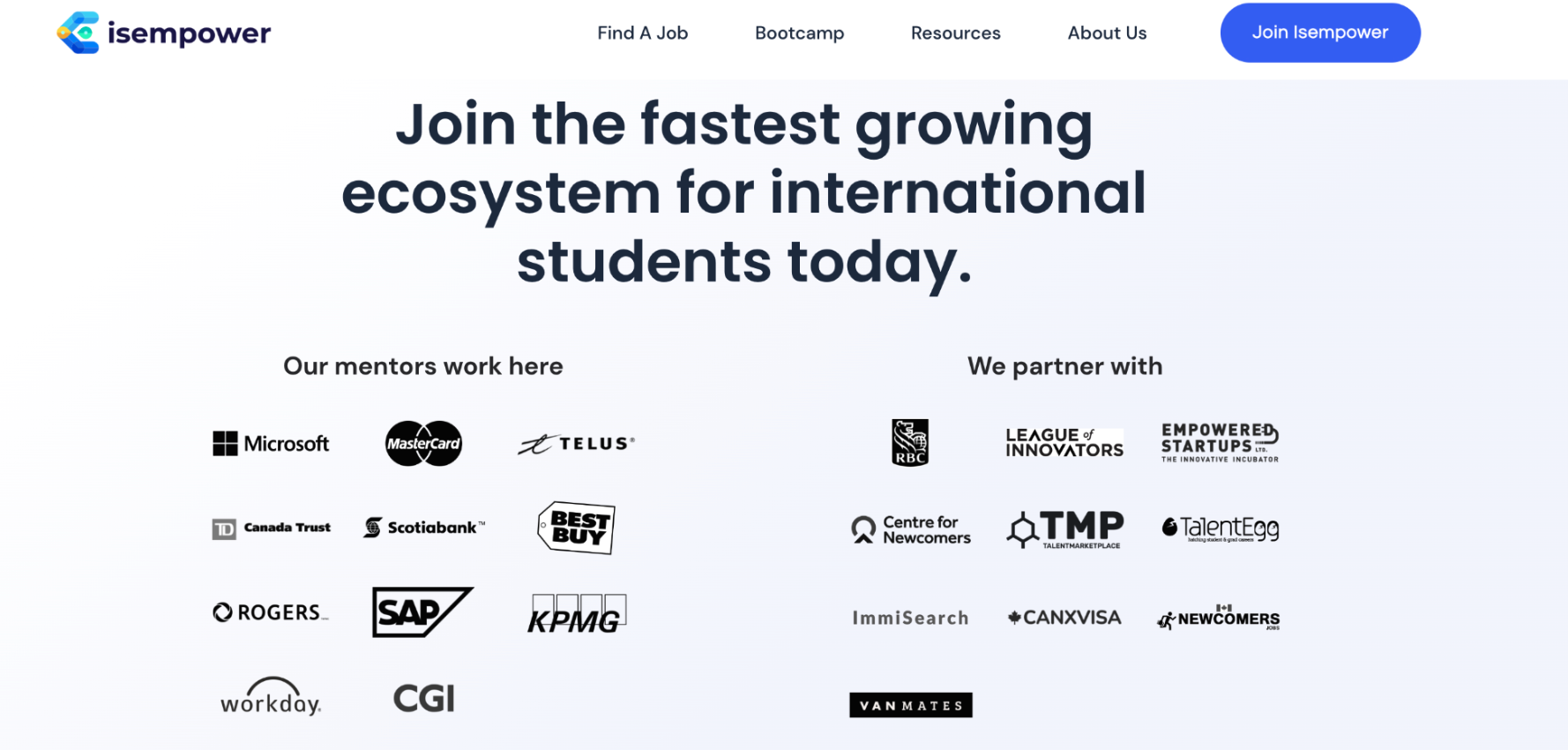
Built minimal platform focused on job listings and basic matching. Launched with 3 university partners and 10 employer partners to test core assumptions.
V1: Career Exploration
Objective: Help students discover career paths
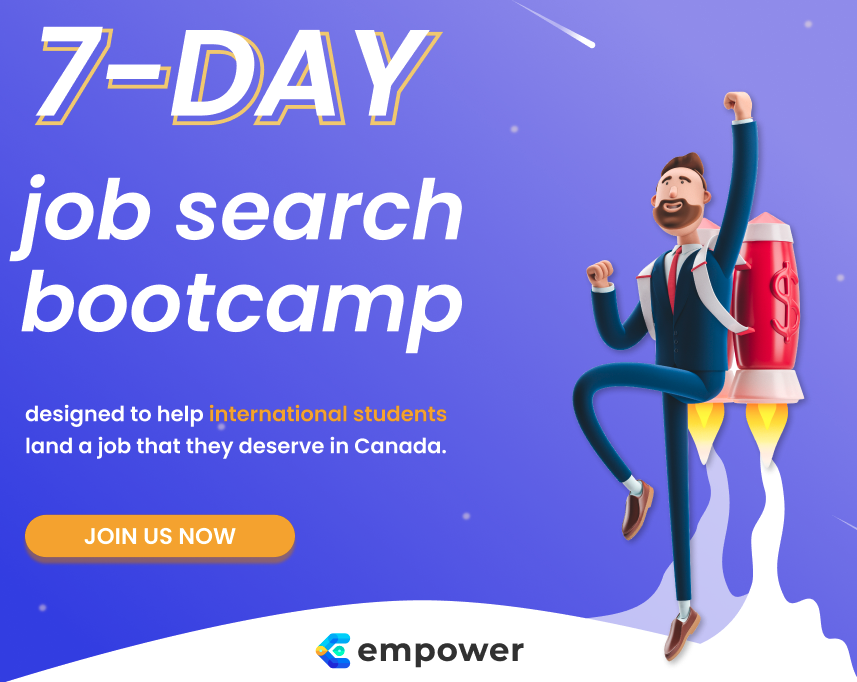
Added career exploration tools including industry guides, day-in-the-life content, and skills assessments. Saw 3x increase in engagement.
V2: Smart Matching
Objective: Improve quality of connections
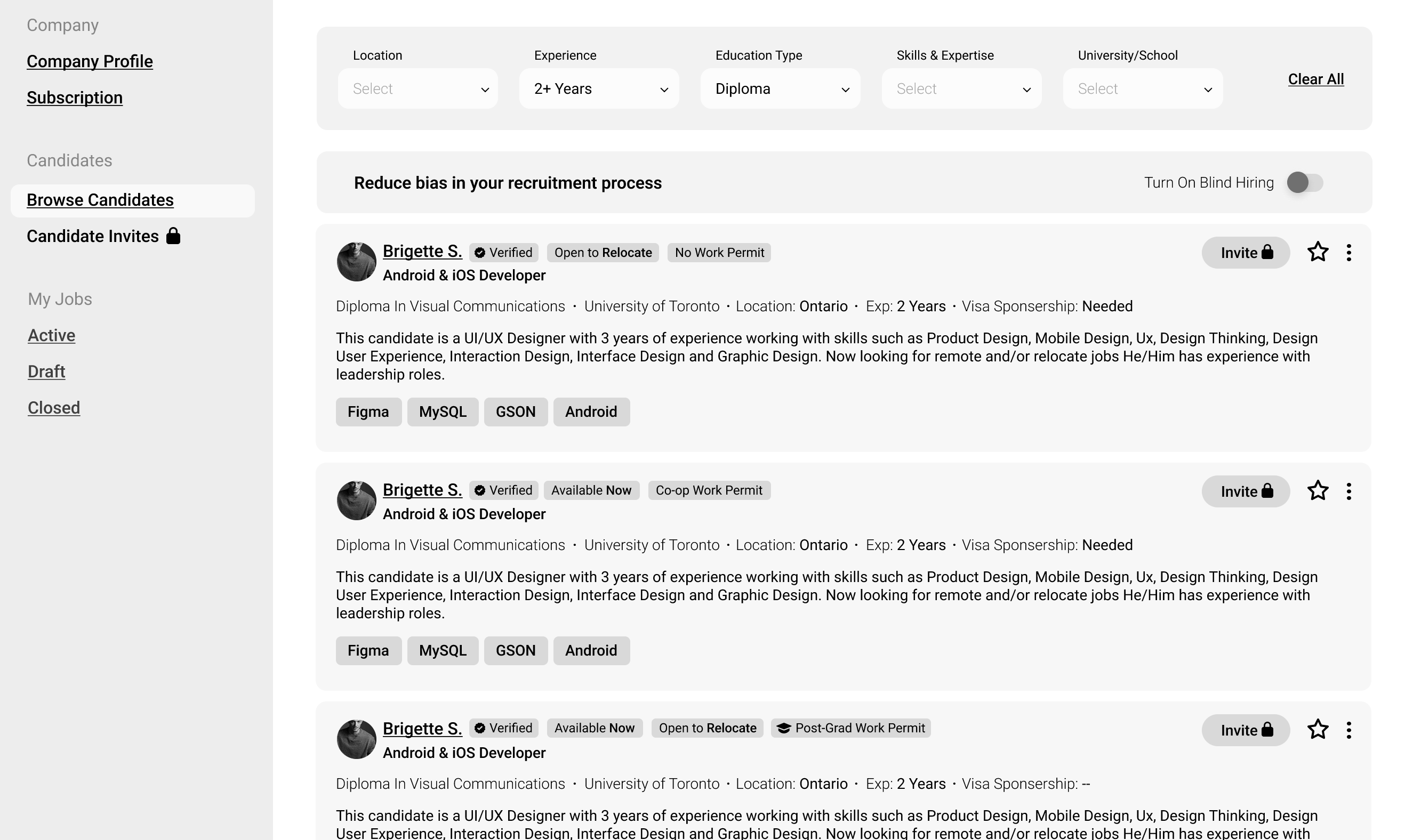
Developed matching algorithm considering skills, interests, location preferences, and company culture fit. Reduced time-to-hire for employers.
V3: Employer Tools
Objective: Create sustainable revenue model
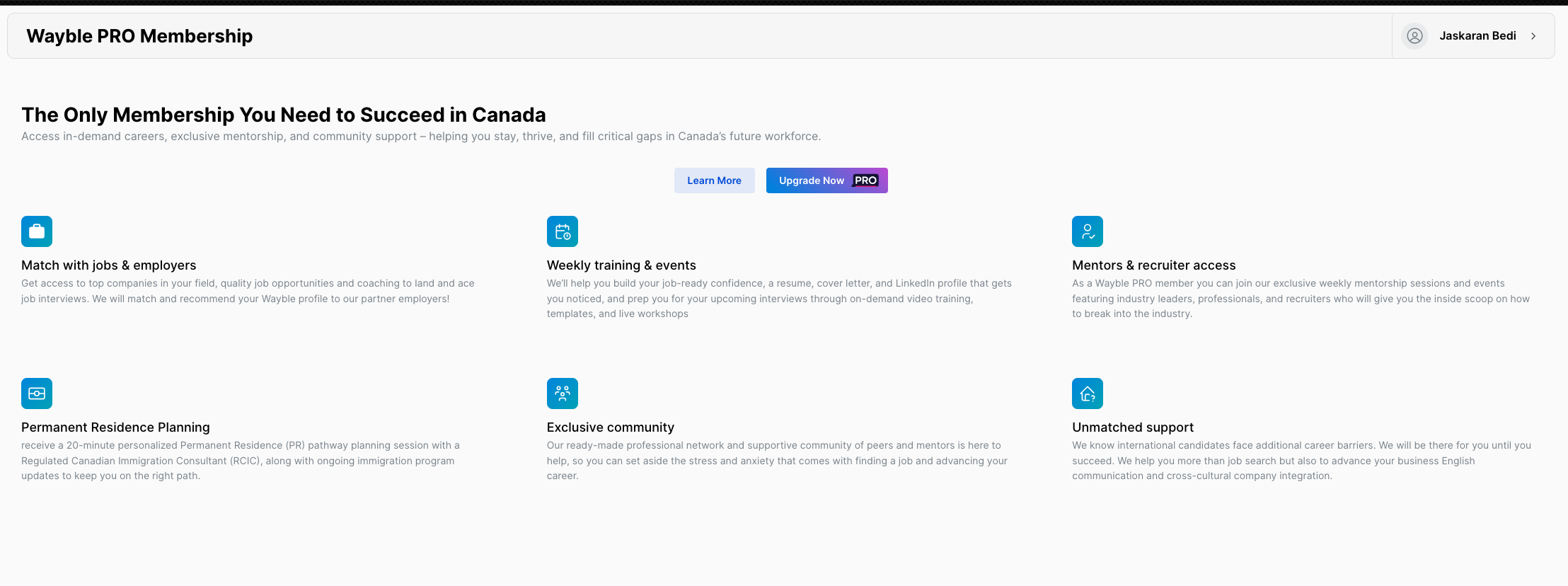
Built employer dashboard with analytics, branded company pages, and featured listings. Launched subscription model reaching $5K MRR.
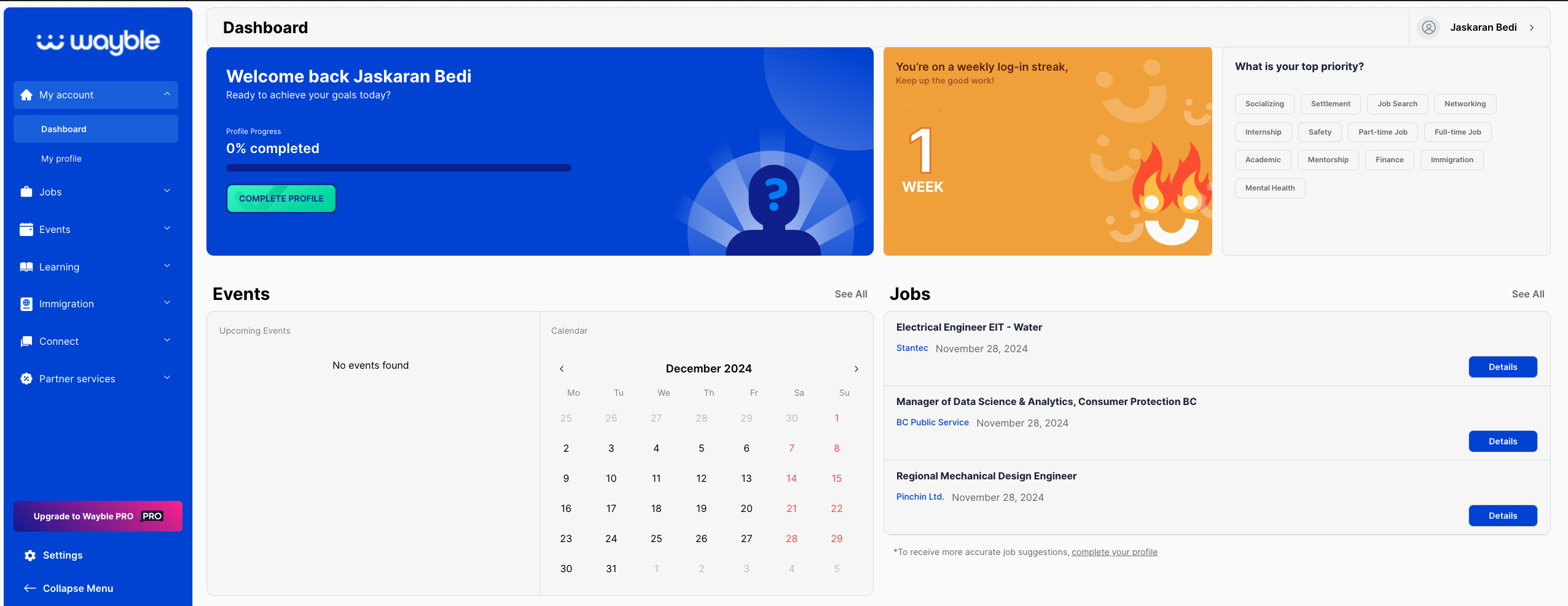
Impact
Key Results
- 10,000+ registered users
- 60% job placement rate for active users
- $5,000 monthly recurring revenue
- 50+ employer partnerships
- 15 university partnerships
- 4.5/5 average user satisfaction
Key Learnings
- Start with one side of the marketplace—we focused on students first, then used that engagement to attract employers
- Content builds trust before transactions—career guides and resources drove signups before job applications
- Metrics matter more than features—we obsessed over placement rates, not feature counts
- Founder-market fit is real—our own struggles as students informed every product decision
- Sustainable growth requires revenue—free forever isn't a business model